We all need shortcuts that help us move faster without creating more work down the line. In advertising, speed only matters when it doesn’t come at the cost of consistency, quality, or control.
Marketing teams are expected to launch more campaigns across more channels and markets, often with fewer resources and tighter timelines. The real bottleneck is rarely ideas or ambition; it’s execution. Every small update, local tweak, or platform-specific adjustment adds friction and slows teams down.
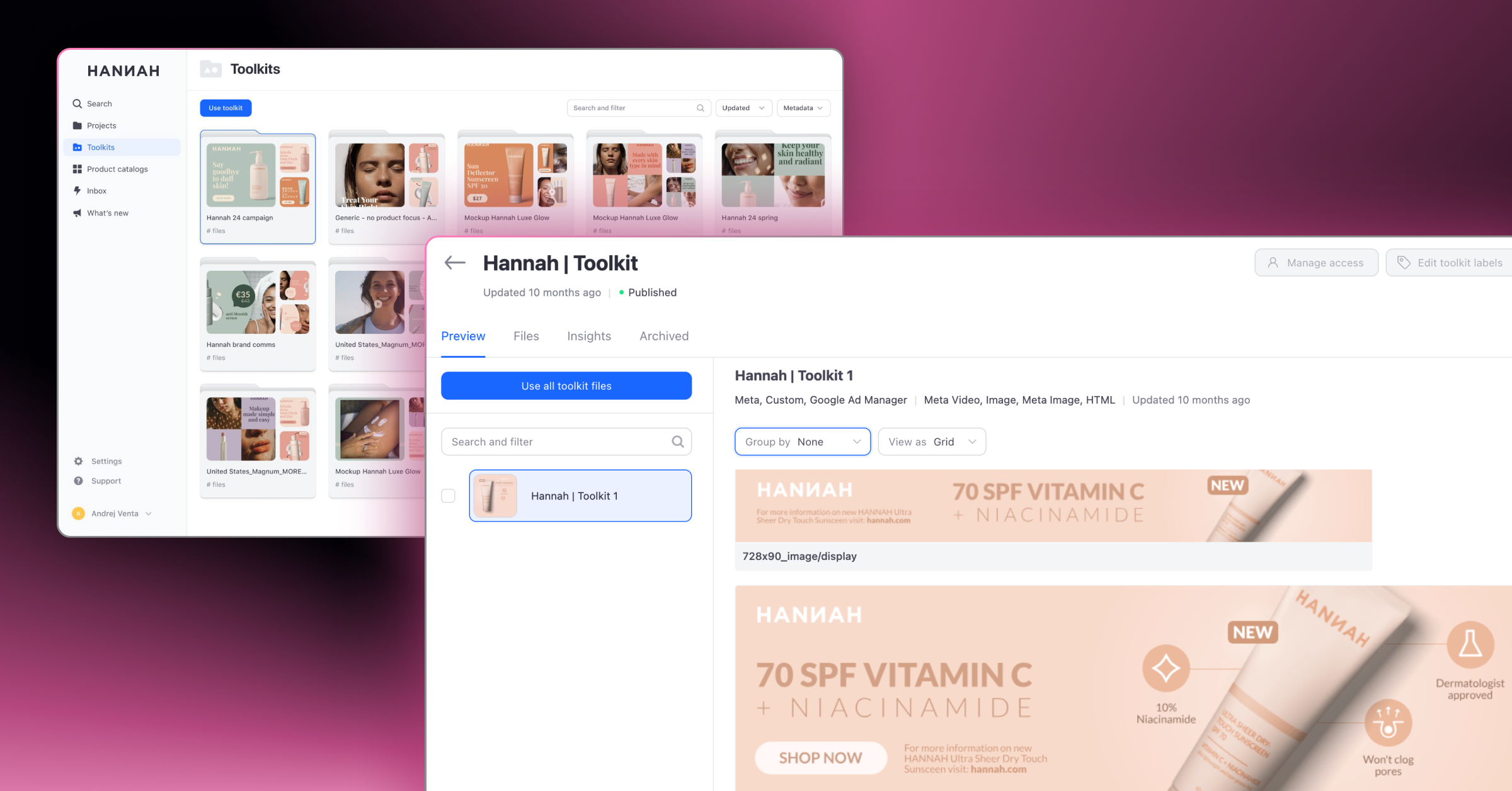
Celtra Toolkits are built for this reality. As part of Celtra’s Creative Automation platform, Toolkits give marketing teams a practical way to work faster using branded ad templates that are already approved, structured, and ready to adapt when campaigns need to move quickly.
Unlike generic template libraries and tools like Canva, Celtra Toolkits allow advertisers to create their own branded ad templates once and reuse them safely across teams, regions, and platforms. Creative teams define the rules, marketers activate within them, and brand integrity stays intact at every step.
Key Takeaways
- One approved template can adapt across Facebook feeds, Stories, and Instagram Reels, letting brands scale campaigns without rebuilding designs for every placement.
- Celtra Toolkits let creative teams build branded ad templates once, lock in approved layouts and brand rules, then hand them to marketers to activate independently.
- Designers define layouts, typography, color palettes, and locked versus editable elements, so marketers can only work within approved brand parameters.
- Siemens produced over 13,000 creatives at 8.2x greater productivity, and Wolt scaled localization across 30+ countries with over 20x higher output, both using Toolkits.
- AI inside Toolkits suggests copy variations and images and supports localization, but it never changes fonts, colors, or layout rules set by the creative team.
Branded ad templates built for modern marketing teams
Most generic ad templates available today are designed for speed rather than scale. They may work for individual ad creatives, but they quickly fall apart when multiple teams, regions, or platforms are involved.
Celtra Toolkits take a different approach: they allow enterprise brands to create structured ad templates that reflect their visual identity, messaging rules, and creative standards from the start. These templates live inside a centralized toolkit gallery, making it easy for marketers to find, reuse, and adapt approved creatives without having any design knowledge themselves.
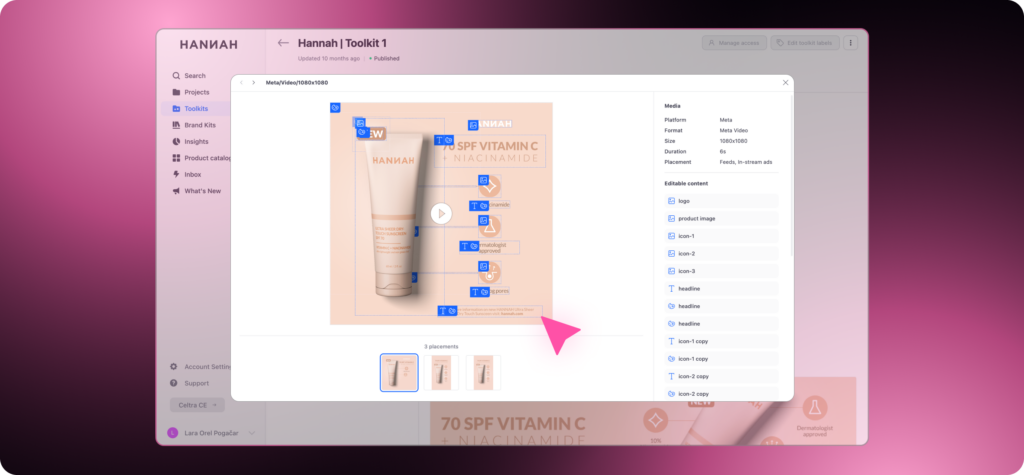
Creative teams stay in control of brand and design decisions, while marketing teams gain the autonomy to move faster when timing matters.
This is how Siemens scaled creative production across global B2B campaigns, producing over 13,000 creatives and reaching 8.2x greater productivity. Their creative team built reusable, brand-safe ad templates in Celtra, enabling marketers and content leads to version and localize assets independently.
How to make an ad template with Celtra Toolkits
Creating an ad template in Celtra starts with the creative team. Designers build master designs that define how the brand should show up across channels and formats.
Creative teams define:
- Layouts and component structures
- Approved typography and color palettes
- Locked and editable elements
- Brand safe rules that prevent off-brand variations
This makes it impossible to change the layout or select a color or font that is not part of the brand system, so marketers can move quickly and only work within approved parameters.
Once approved, templates are bundled into toolkits and published to the toolkit gallery, where they’re always available for marketers to activate across campaigns, markets, and channels.
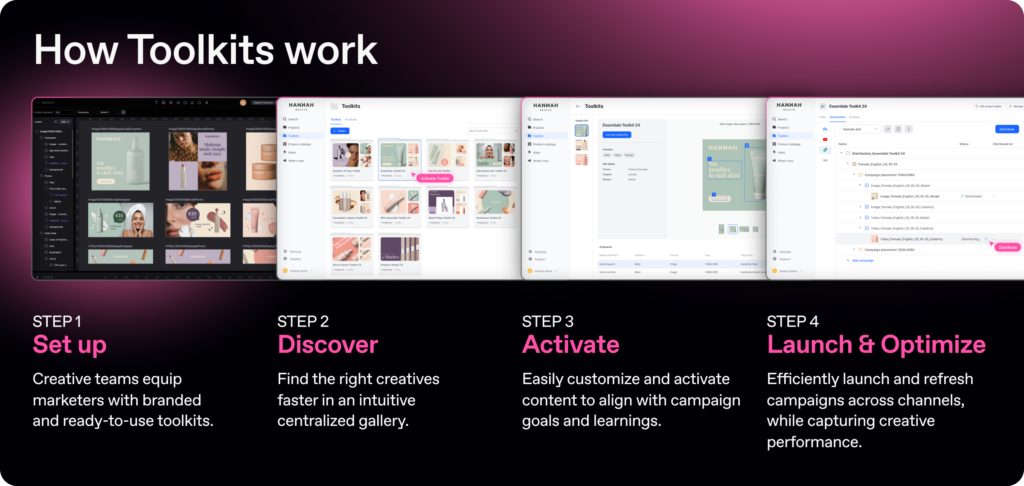
Faster ad template activation without losing brand control
Ad templates only create value when teams can activate them quickly and safely. Celtra Toolkits support faster activation by helping marketers make the right changes within creative guardrails.
Creatives stretched thin? No problem
Celtra toolkits are designed to be easy to navigate and practical for everyday campaign work. They enable marketers to adapt content without needing extensive design expertise. Whether they are adjusting copy, swapping visuals, or localizing content, marketers can adapt creatives quickly to meet campaign, audience, and market needs.
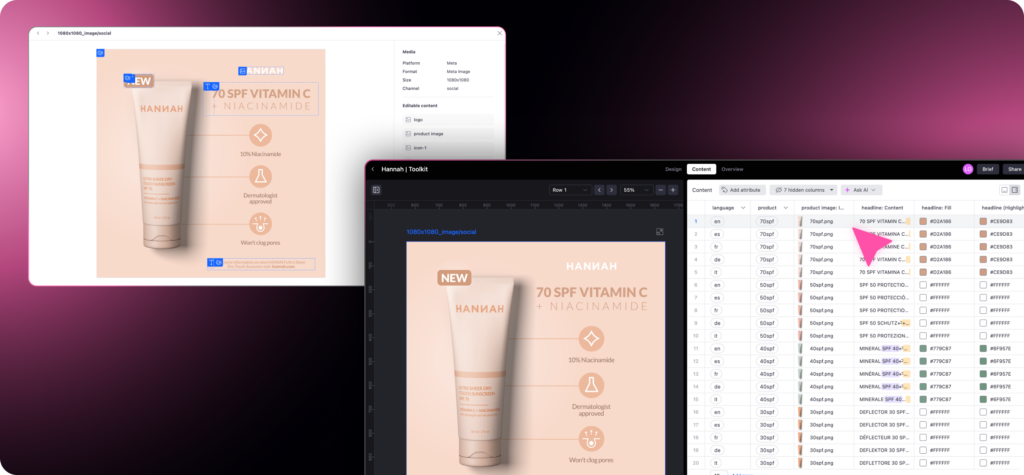
Wolt follows this approach to support rapid localization across 30+ countries with a small creative team. Designers create branded ad templates in Celtra, enabling local teams to adapt messaging and visuals independently, which helped Wolt achieve over 20x higher productivity and produce more than 300,000 creatives.
What AI does and does not do
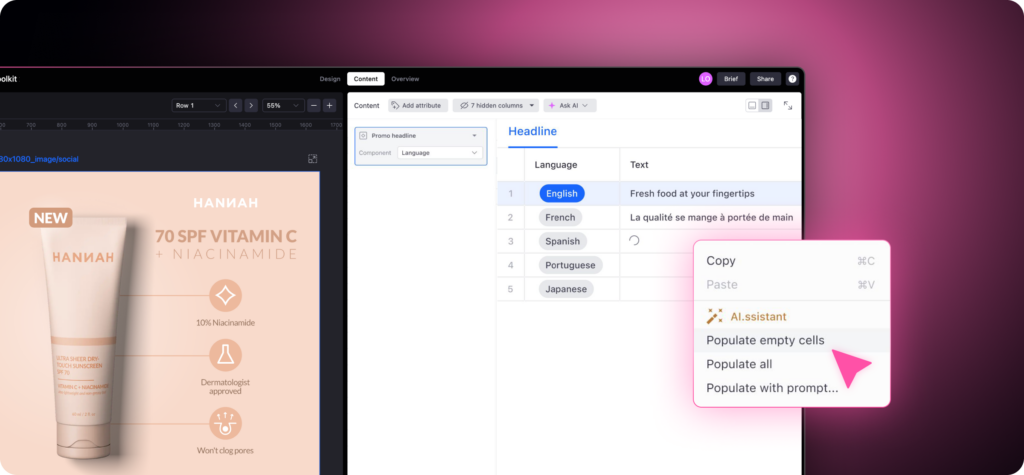
Integrated AI supports faster activation and optimization within approved creative guardrails, without making decisions on its own. Marketers always retain complete control over the design, with no risk of unexpected AI-driven changes or visual glitches. AI can suggest copy variations, recommend images based on performance data, and support rapid localization for global campaigns, but it never changes fonts, colors, layouts, or the visual rules defined in the ad template.
Locking in brand and creative integrity
Toolkits ensure brand consistency across every asset and campaign by combining permission settings with structured template rules, allowing marketers to make the needed content changes without worrying about breaking any brand or creative rules.
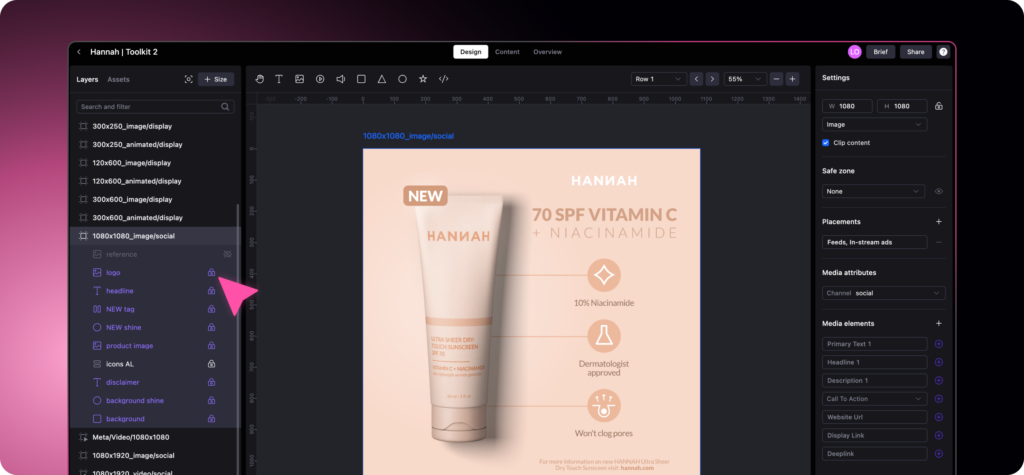
One ad template for Facebook and Instagram campaigns
When each platform requires a new template, speed and consistency suffer. With Celtra Toolkits, brands start with one approved ad template and adapt it across, e.g., multiple social placements like Facebook feeds, stories, and Instagram Reels without rebuilding designs. This makes it easy to scale campaigns faster while keeping every market and channel on brand.
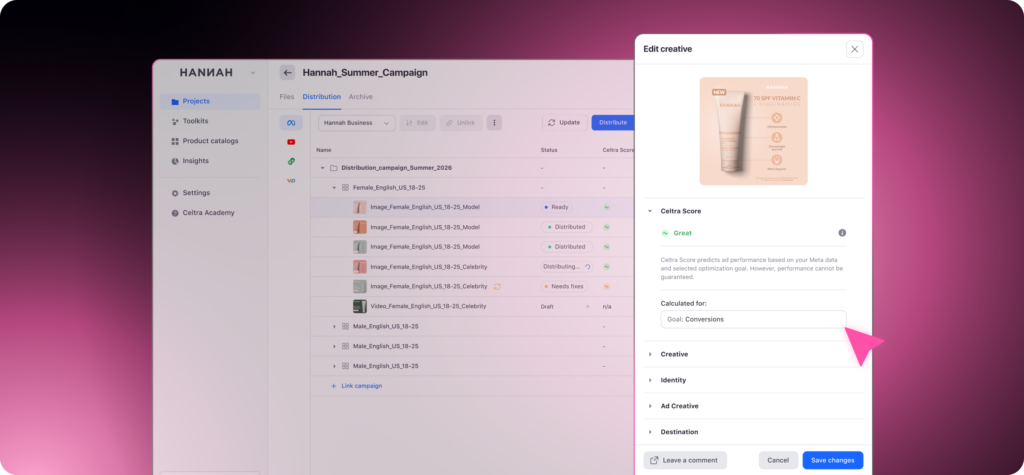
Built for scalable performance in 2026 and beyond
As new media channels pop up, consumer behaviors change, and fresh trends emerge, marketing teams need systems that balance speed, consistency, and performance. Celtra Toolkits give teams the structure they need to scale high-quality ad templates across evolving platforms and markets.
Beyond content creation, brands need clarity on what actually drives performance, where variation adds value, and where consistency matters most. Furthermore, having clear, end-to-end measurements for campaigns is becoming essential in understanding what’s truly driving success.
Celtra Toolkits bring creative production and campaign activation into one system, designed for collaboration between creative and marketing teams. Creative teams set the standards, marketers activate within them, and performance insights help teams learn and improve over time. Are you ready to build branded ad templates that scale with your business in 2026? Book a demo and see it in action.
Frequently Asked Questions
Celtra Toolkits are collections of branded ad templates inside the Celtra Creative Automation platform. They are created and approved by creative teams, then used by marketers to activate and adapt campaigns quickly while staying on brand.
Yes. Brands create their own ad templates using their fonts, colors, layouts, and brand rules. These templates reflect how the brand should show up across channels and markets, rather than relying on generic templates.
Generic Facebook or Instagram ad templates are designed for quick use, but they do not scale well across teams or regions. Celtra ad templates are branded, structured, and governed, allowing one template to be adapted safely across platforms, placements, and markets.
Creative teams define which elements are editable and which are locked. Marketers can then update copy, visuals, or localized messaging only within those approved boundaries, ensuring every ad stays on brand.
No. AI supports activation and optimization by suggesting copy variations, images, and localization options. It does not change fonts, colors, layouts, or visual rules defined in the ad template.
Yes. A single branded ad template can be adapted across Facebook and Instagram placements, formats, and sizes without rebuilding designs. This saves time and ensures consistency across channels.