When people open their laptops to read a news article or pick up their phones to find a restaurant nearby, they are focused on one thing: getting what they need. They’re definitely not thinking, “Oh gee, I really hope I get to see an ad today.” And that is the challenge. Marketers spend hours optimizing targeting, tweaking creative, and crafting clever copy. Still, breaking through the noise takes something extra.
Rich media ads might be that missing piece. They let brands go further than the usual static banner by adding interactive, dynamic, or motion-driven features that grab attention and hold it long enough to make an impression.
What are rich media ads?
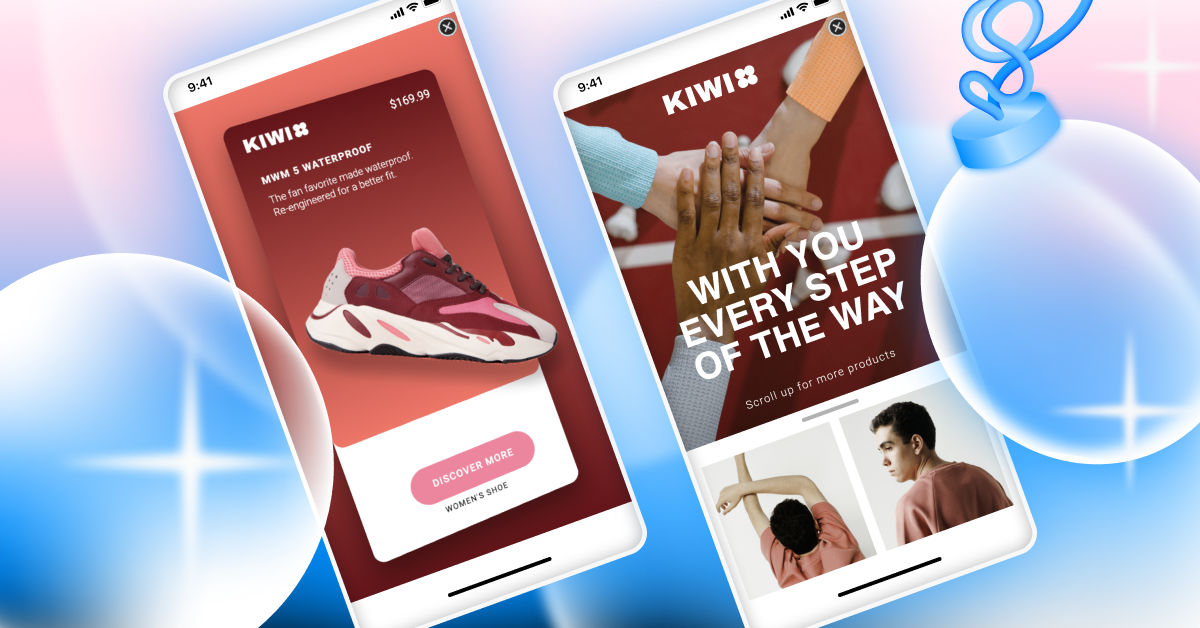
Rich media ads are display formats built to feel more engaging than a standard static banner. They include elements such as video, animation, gamified interactions, or shoppable features that encourage users to poke around a bit. Swipe to explore a product range. Tap to reveal a hidden message. Scroll to uncover an image. Shake your phone to trigger a surprise. Watch a short video without leaving the page.
When done well, rich media ads feel less like a billboard and more like a moment of content. They lean into curiosity. They let users control the experience. And that small shift — from interruption to interaction — makes a big difference.
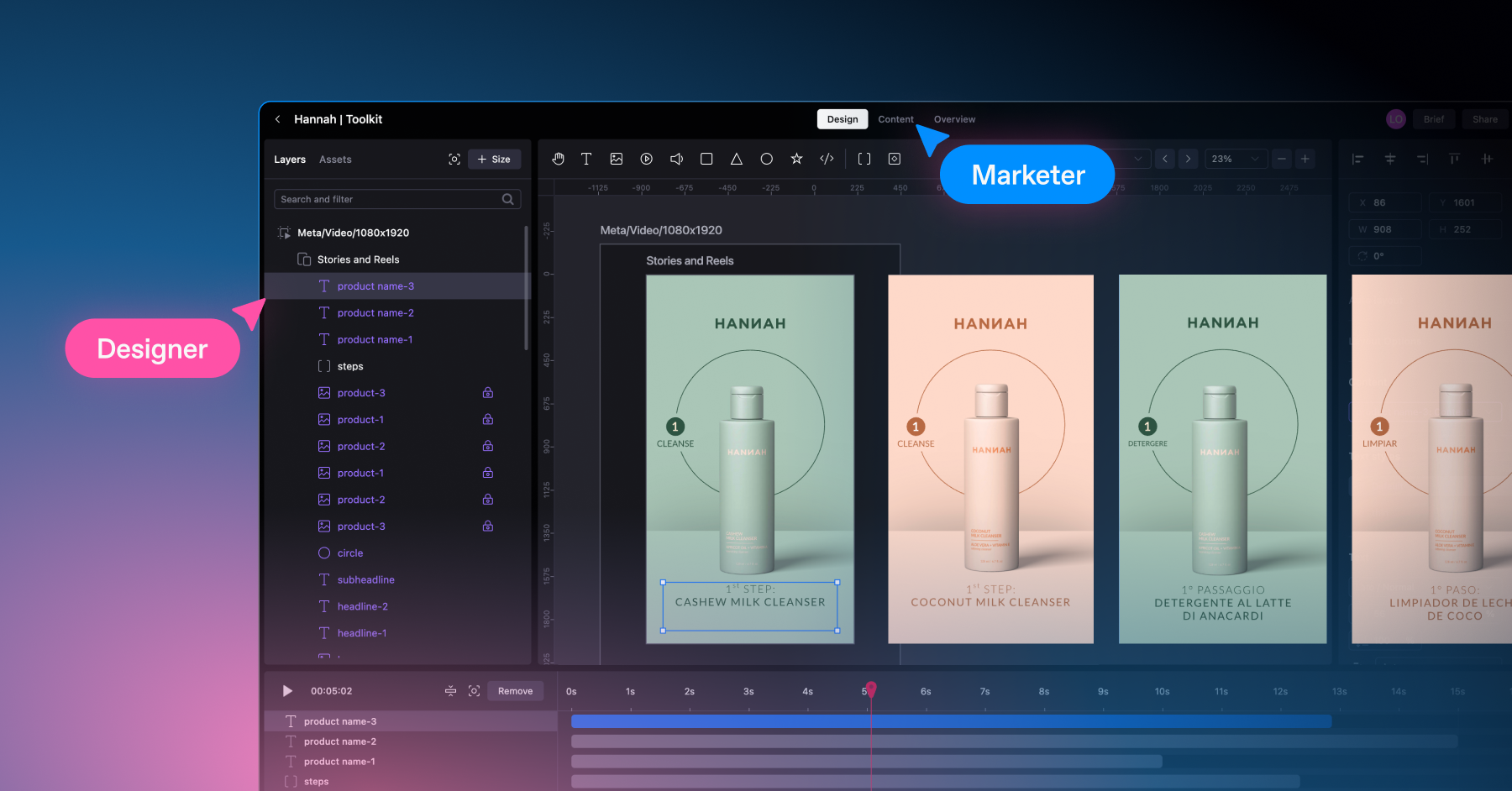
Tools like Celtra Creative Enablement make creating these formats easier than you might expect. They help you easily produce rich media, add dynamic elements, and serve your ads across the open web and CTV.
Benefits of using rich media ads
Even with the right system in place, rich media ads take a little more time and effort than a basic static banner. This often raises the question: why invest the extra time and money? The answer becomes clear once you see the benefits.
Freedom to get creative
Static ads give you a box and a single image. Rich media breaks that open. You can combine video, animation, motion cues, dynamic signals like weather or location, product carousels, or even mini-games. Suddenly, the ad becomes a tiny playground. Brands get more space to show personality, craft a story, or demonstrate value in a memorable way.
Higher engagement
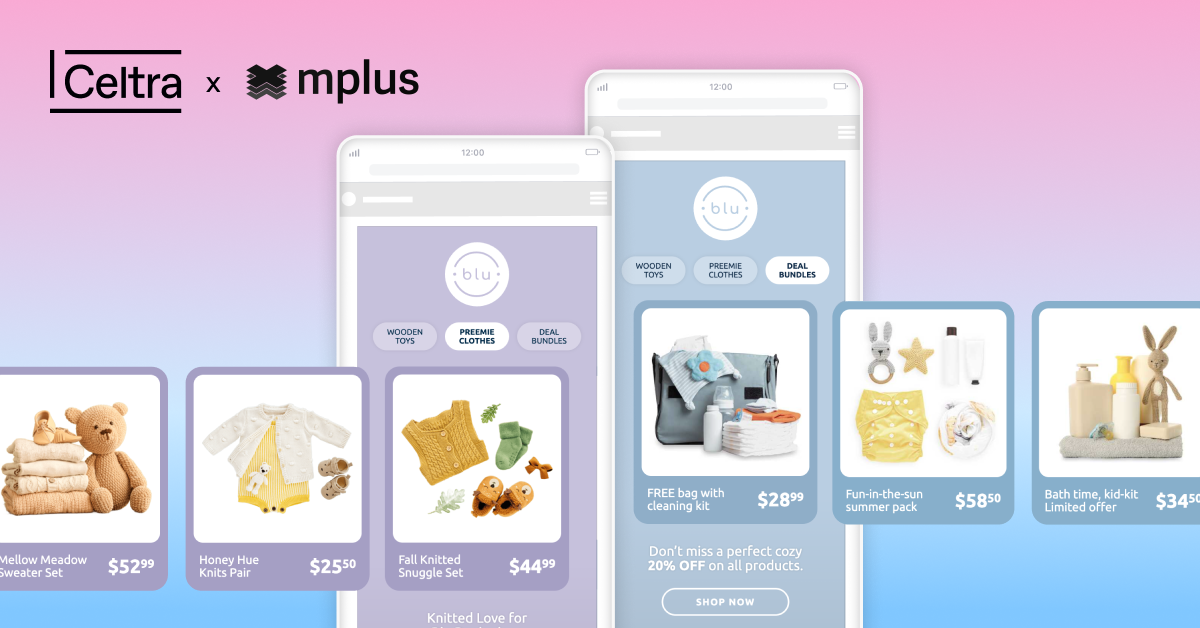
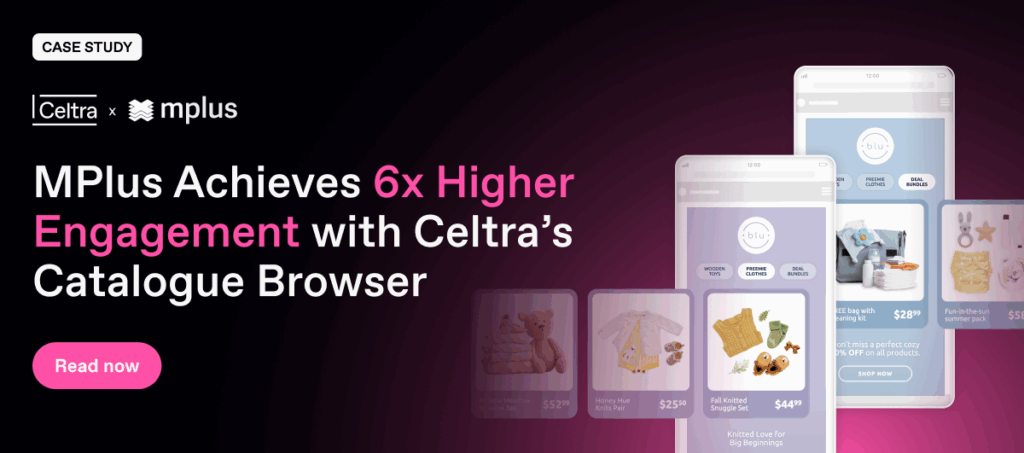
Interaction naturally boosts engagement. Take MPlus; they used Celtra’s Catalogue Browser to create a more engaging format that invited users to browse products right inside the ad. The result was 6x higher engagement than benchmarks, showing that consumers didn’t just glance at the ad, but really spent time with it.
More clicks and better performance
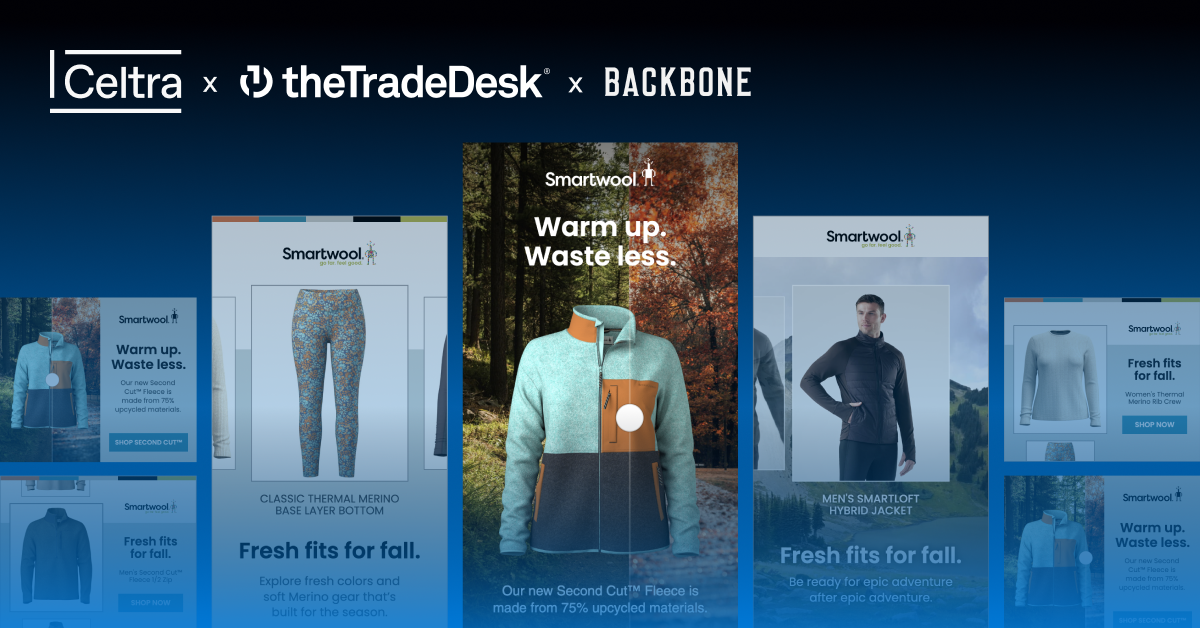
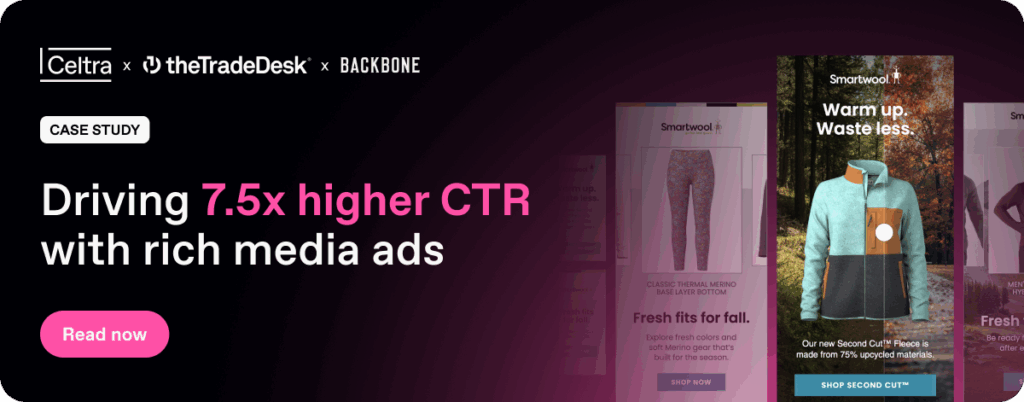
The more interesting the experience, the more likely users are to click. Media agency Backbone proved this with their client Smartwool. They used rich media to highlight product details through clean motion and warm seasonal storytelling. The campaign delivered a 0.3 percent CTR, which is 7.5x higher than the benchmark – a huge performance lift driven by thoughtful design and an elevated interactive format.
Five inspiring examples from top brands
Rich media can take many forms. Here are five examples that show how flexible and impactful these formats can be.
Sephora
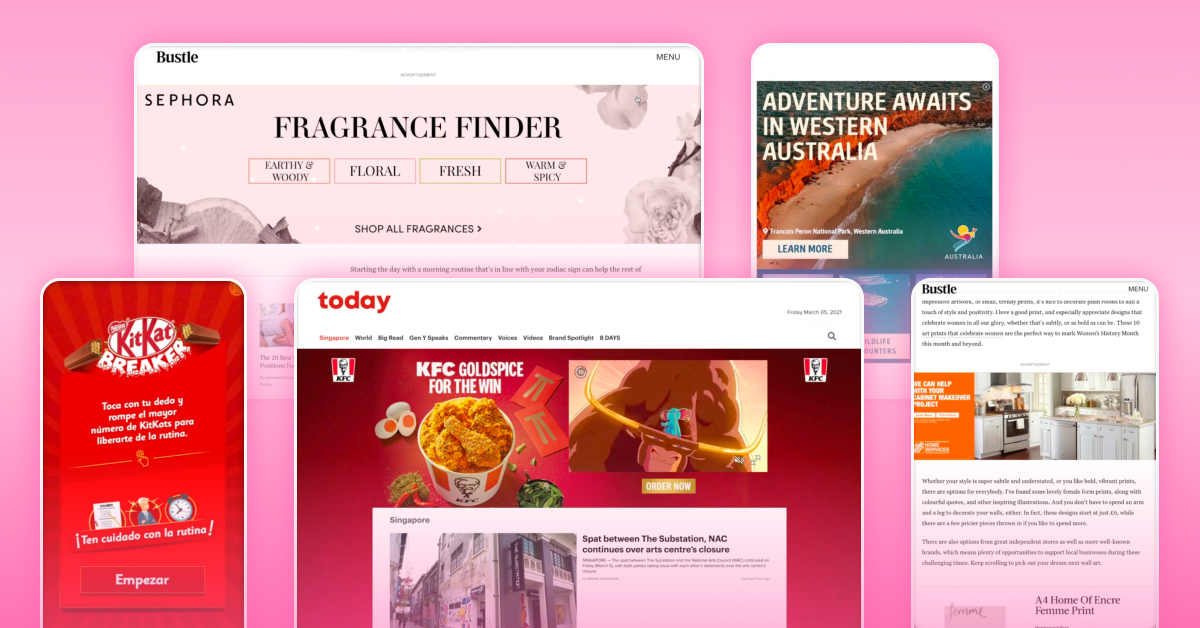
Sephora launched a cross-screen interactive gallery that felt premium from the first second. The edge-to-edge layout let users browse skincare products like they were flipping through a curated shelf. It invited exploration and guided them through a range of options, driving purchase intent.
KFC
KFC went big and bold with an immersive background skin featuring video and reactive animation. As users scrolled, the creative moved with them, highlighting new menu items and seasonal specials with instant impact. The experience felt energetic, playful, and unmistakably “KFC.”
KitKat
Gamified formats are perfect for CPG, and KitKat leaned all the way in. Their interactive concept felt like a tiny, fun break, which is exactly on brand., and the ad became a lighthearted moment users actually enjoyed.
Home Depot
Home Depot built an interactive home makeover moment where the final image revealed itself as users scrolled. It was simple, but surprisingly satisfying. The ad also featured a store locator, so users could immediately see where their closest Home Depot was. Inspiration plus action in one place.
Tourism Australia
Tourism Australia created a cross-screen expandable banner that opened into a mini gallery of destinations. Every location included extra details, photos, and inspiration. It turned the ad into a tiny travel guide that let users wander through ideas without leaving the page.
How to get started with rich media ads
Rich media might sound complex, but it becomes very manageable with the right tools and workflow.
Celtra’s Creative Enablement platform helps teams produce engaging formats at scale. With it, you can:
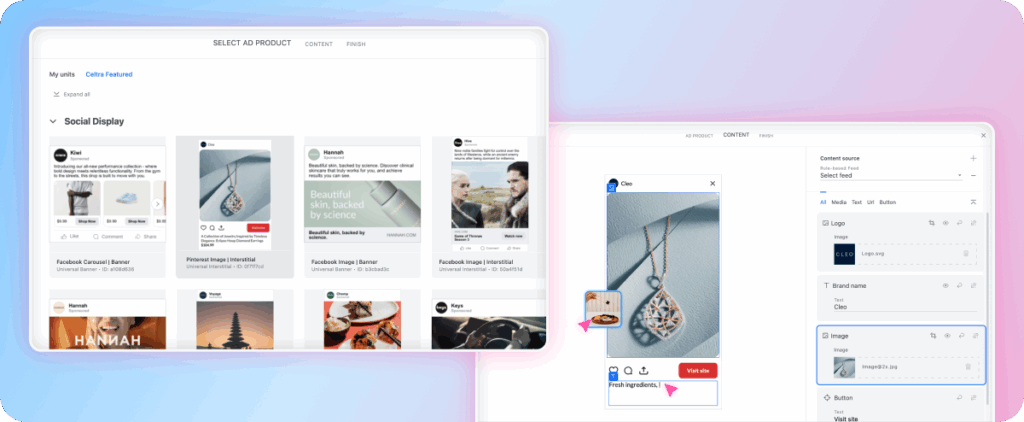
- Easily generate attention-grabbing rich media ads with no design or coding experience by using pre-built ad products from the Celtra Library
- Bring next-level creative ideas to life by building engaging ads from scratch using our code-free builder with more than 40 drag-and-drop components
- Deliver hyper-relevant experiences by using your own data or built-in signals such as weather, time, and location
From branded games to shoppable units to immersive full-screen takeovers, Celtra makes it easier to bring interactive ideas to life.
Frequently Asked Questions
Rich media ads are digital ad formats that include interactive or dynamic features such as animation, video, product browsers, or motion-based actions. They encourage users to engage rather than scroll past.
Standard ads are usually static images with basic messaging. Rich media ads add interactivity, motion, or dynamic content, which creates a more immersive experience and usually leads to higher engagement.
Teams can build rich media ads using platforms like Celtra Creative Enablement. It allows you to easily create and serve high-quality, fast-loading ads that maximize engagement and revenue.