The era of “set it and forget it” digital advertising is over. Today, enterprise marketing teams are operating in a state of permanent complexity, managing a massive volume of platform-specific formats and hyper-segmented audiences.
As media buying and targeting become commoditized through platform-led automation, creative has emerged as the final and most significant lever for driving advertising performance. To pull this lever effectively, modern teams are moving away from disconnected production tools toward an integrated stack of advertising software that treats creative with the same data-driven rigor traditionally reserved for media buying.
The 4 pillars of modern advertising stack
To navigate today’s fragmented digital landscape, enterprise brands generally organize their digital advertising software into four critical functional areas:
- Audience and data (CDPs / DMPs): Centralized systems for managing first-party data and granular audience segmentation.
- Media buying and execution (DSPs / SSPs): The technical infrastructure required to purchase inventory across social, programmatic, and CTV.
- Measurement and reporting: Unified dashboards that track cross-channel performance, budget pacing, and attribution.
- Creative infrastructure: The software used to produce, govern, and distribute the actual ad content.
While most enterprises have spent the last decade perfecting the first three pillars (automating the “who” and the “where”), the creative infrastructure often remains a manual, fragmented process. This creates a performance bottleneck where sophisticated media buying is throttled by a slow, disconnected creative supply chain.
The creative bottleneck: Why your stack is stalling
Many companies possess world-class media buying tools yet still hit a performance plateau because their creative production relies on manual “pixel-pushing,” disconnected feedback loops, and subjective intuition. Even if you have invested heavily in advertising software for targeting and bidding, your stack is incomplete if the creative process remains manual.
When creative production can’t keep pace with the velocity of media buying, testing cycles slow down, and overall campaign ROI inevitably suffers. To scale efficiently, brands must ensure their digital advertising software strategy includes a unified creative operating system. By merging production workflows, brand governance, and performance data into a single infrastructure, you ensure every asset is media-ready and optimized for results at the speed modern advertising demands.
What is creative automation software?
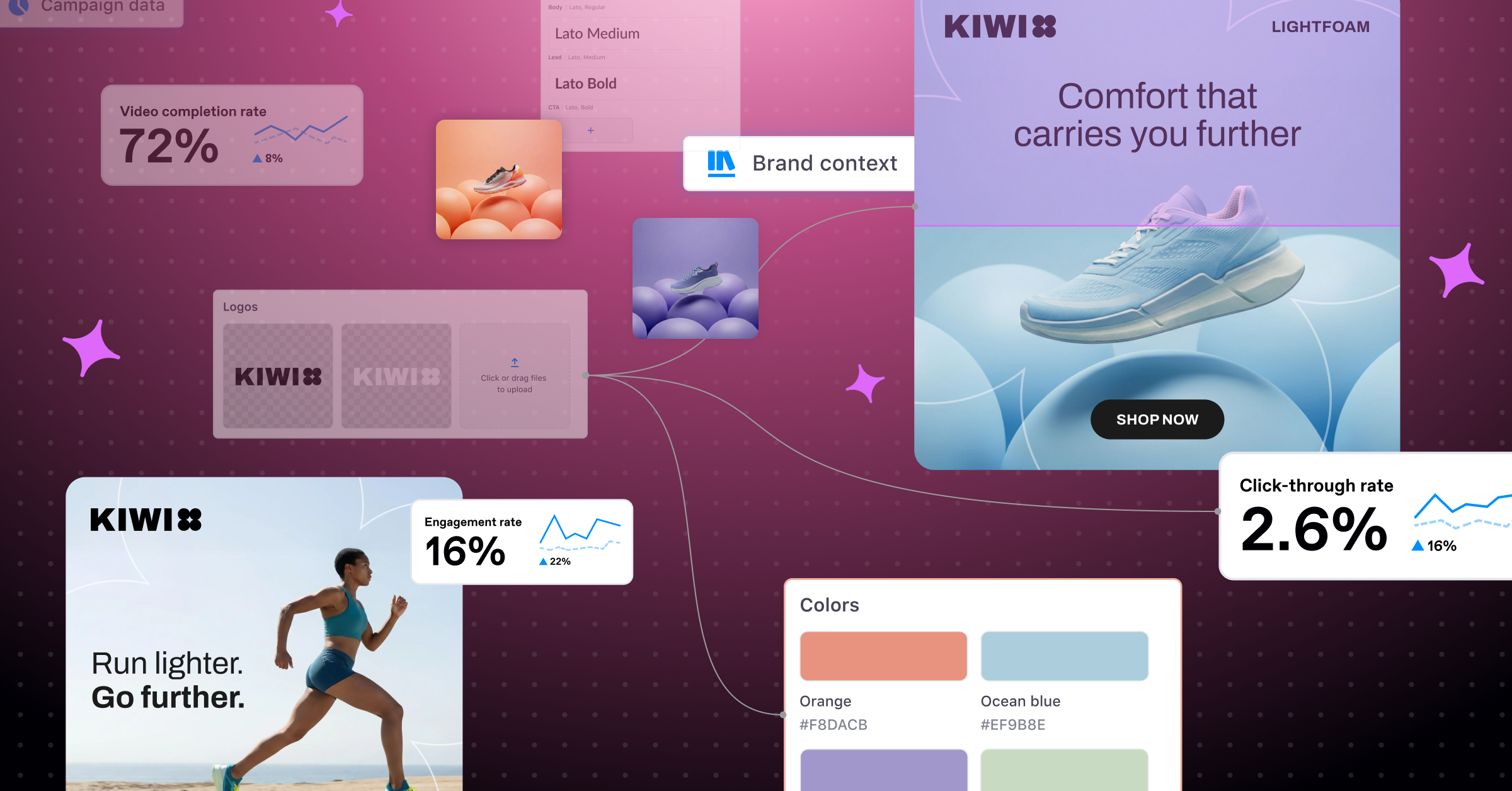
Within a modern advertising software stack, Creative automation serves as the engine for creative operating system. It uses intelligent templates and automated workflows to handle the repetitive heavy lifting of ad production. Instead of a designer manually creating hundreds of versions of a single banner for different markets, creative automation allows teams to scale variety while maintaining strict brand governance.
To be effective, this layer must integrate seamlessly with the rest of your marketing technology. Creative automation isn’t a silo; it connects with your project management tools to streamline briefings and hooks into reporting platforms to ensure performance data informs the next round of creative. This infrastructure enables teams to refresh assets across all channels simultaneously based on real-time signals rather than manual updates.
Celtra: Powering enterprise advertising performance
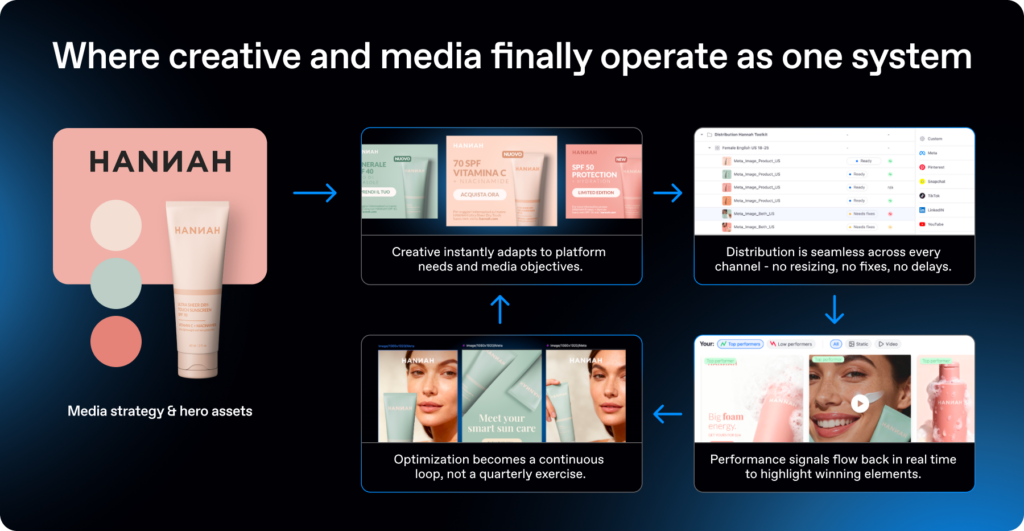
Celtra is a creative automation component that bridges the gap between media strategy and creative execution within your advertising software ecosystem. We help enterprise businesses move from manual execution to intelligent orchestration by complementing you stack through four core capabilities:
- AI-enhanced production: Utilizing agentic workflows and performance prediction to generate assets with a high probability of conversion.
- Enterprise-grade governance: Hard-coding brand rules, fonts, and legal requirements directly into smart templates to ensure 100% compliance.
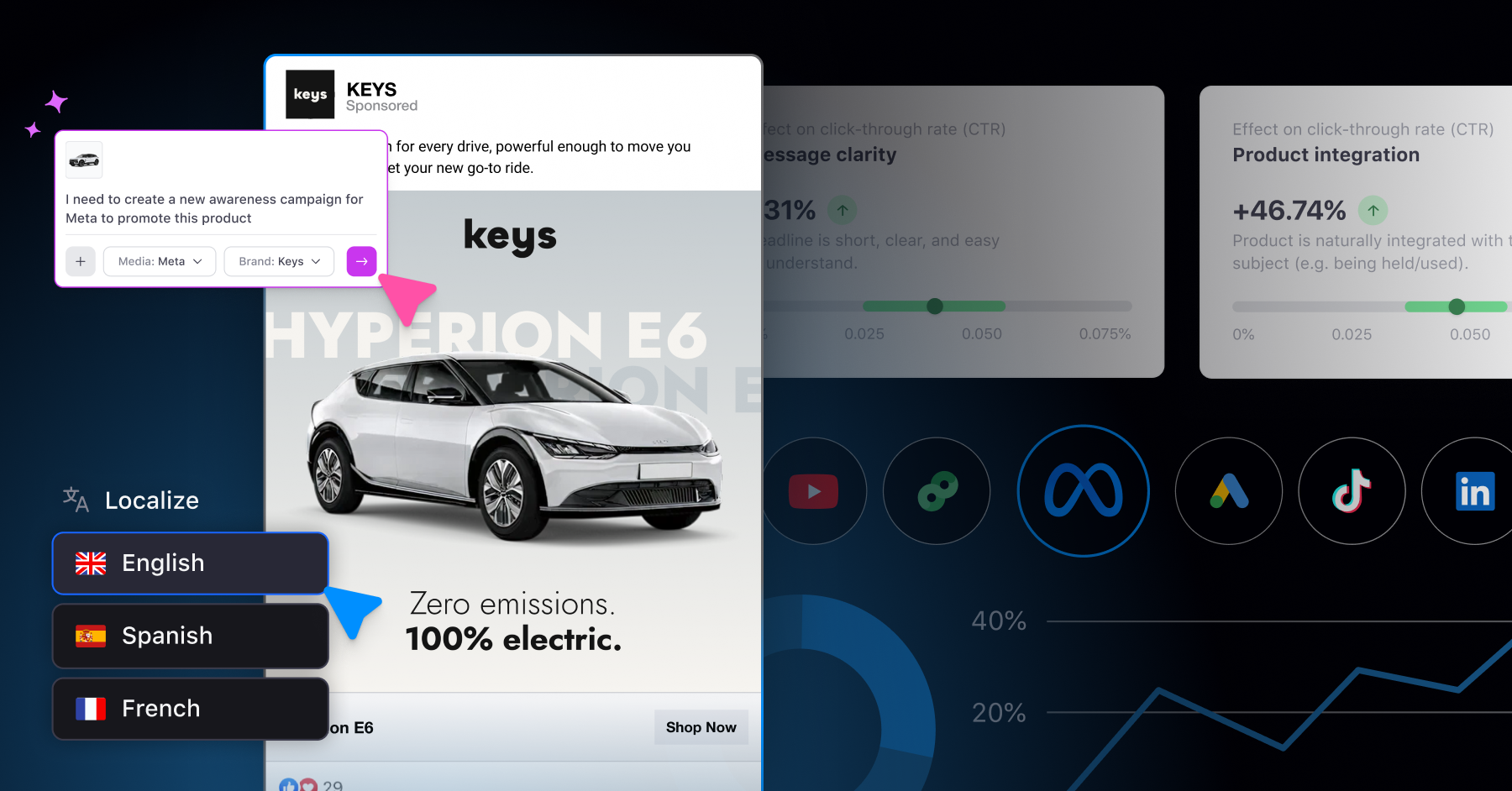
- Seamless multi-channel activation: Distributing assets to over 100 media platforms, including Social, Retail Media, and CTV, without manual resizing or delays.
- Real-time optimization: Feeding performance signals back into the production environment to highlight winning creative elements for continuous improvement.
Who benefits most from creative automation?
Creative automation provides the highest return on investment for organizations where production complexity has become the primary barrier to growth. By integrating this into a broader digital advertising software strategy, it aligns the goals of three core functional groups:
- Media & Performance teams who must refresh assets instantly to combat ad fatigue and maintain a positive ROAS.
- Creative & Brand teams who need to maintain total brand consistency while supporting localized requests across dozens of markets.
- Retail & E-commerce marketers who manage thousands of SKUs and dynamic feeds and require their product ads to remain premium, on-brand, and up-to-date at scale.
The advertising software of the last decade focused primarily on perfecting where ads go and who sees them. The next decade of growth will be defined by how well brands master what the audience actually sees. By standardizing and automating creative execution, Celtra transforms the creative process into a controllable, high-impact business lever.
Frequently Asked Questions
Advertising software consists of the technical infrastructure used by brands and agencies to plan, execute, and analyze digital campaigns. It encompasses everything from media buying platforms and audience data tools to creative operating systems that manage the production and performance of actual ad content.
This refers to the digital tools used to manage online advertising, specifically for cross-channel activation and creative delivery. Modern digital ads software must now solve the creative supply challenge, ensuring that assets are not just delivered, but are media-ready, brand-safe, and optimized for performance.
The modern marketing stack typically includes Customer Data Platforms (CDPs) for audience segmentation, Demand-Side Platforms (DSPs) for media buying, and Creative Automation platforms like Celtra for scaling performance-driven creative.
While these terms are often used interchangeably, adtech typically refers to backend systems such as ad servers and exchanges. In contrast, advertising software refers to the intelligent platforms marketers use to manage their creative strategy, brand governance, and cross-channel activation
It is a platform that uses agentic workflows and intelligent templates to automate repetitive production tasks, such as resizing and localization, while maintaining enterprise-grade brand governance. This allows teams to move from manual execution to insights-led, performance-driven creation.
Celtra provides the creative operating system that modern advertising demands. It bridges the gap between media strategy and creative execution by combining AI-powered creation, performance prediction, and seamless activation in one intelligent system.
Global enterprise brands, retailers, and media platforms with high-volume, multi-market advertising needs see the most significant ROI. It is essential for teams that must balance centralized brand control with the need for rapid, localized testing and optimization.
Yes. By replacing fragmented, manual workflows with integrated, governed systems, software allows teams to launch more variations and test more ideas without increasing headcount or sacrificing brand quality.