Scorching heat, the smell of the sea, and a rush of creativity. Last week, the French Riviera was filled with creatives, marketers, and tech partners attending the Cannes Lions Festival of Creativity and showing off their best creative work, innovative solutions, and technology advancements.
AI is still everywhere, but it’s different now
I was expecting AI to hijack every conversation, regardless of the topic, but I was pleasantly surprised by the twist. Of course, everyone still talks about AI, yet the conversation has changed in the last year. It’s not about blindly preaching AI anymore, nor is it about fearing it.
I enjoyed moving past vague statements and mentions of all these new technologies into more defined points of view and some concrete learnings and examples of use. The same thing happened as with any disruptive new technology in the past – from the internet, smartphones, to social media – we have finally reached the stage where AI is just undeniably part of the equation and the novelty of it has faded a bit. Almost every person at this point has played around with AI enough to understand how powerful it is and how helpful it will continue to be, but to also understand that there are certain aspects we all just prefer to keep human. With a big focus on experiential activations from partners like Pinterest, Meta and Stagwell, it was obvious people are eager to do more, feel more and live more.
The power of human taste
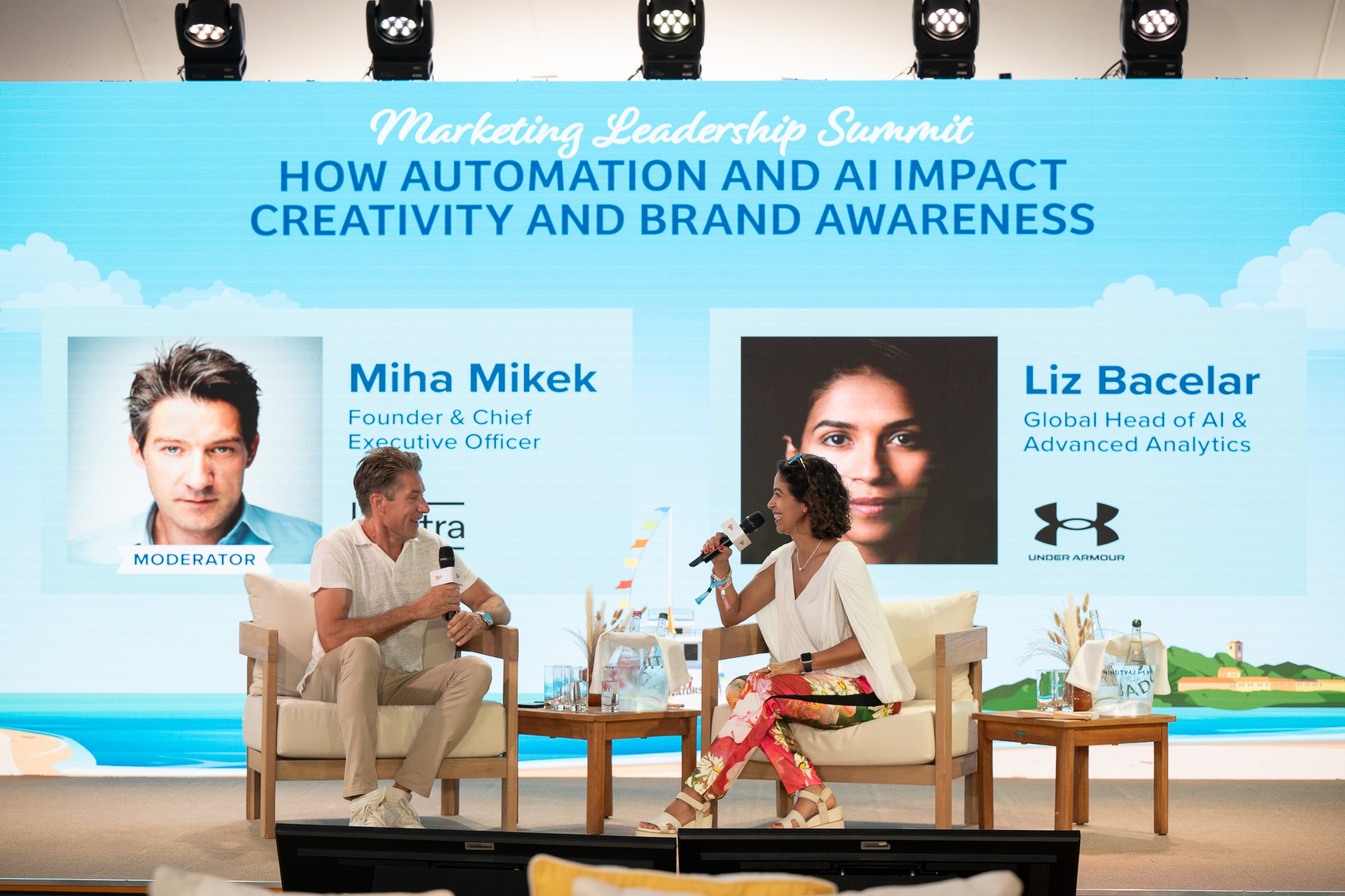
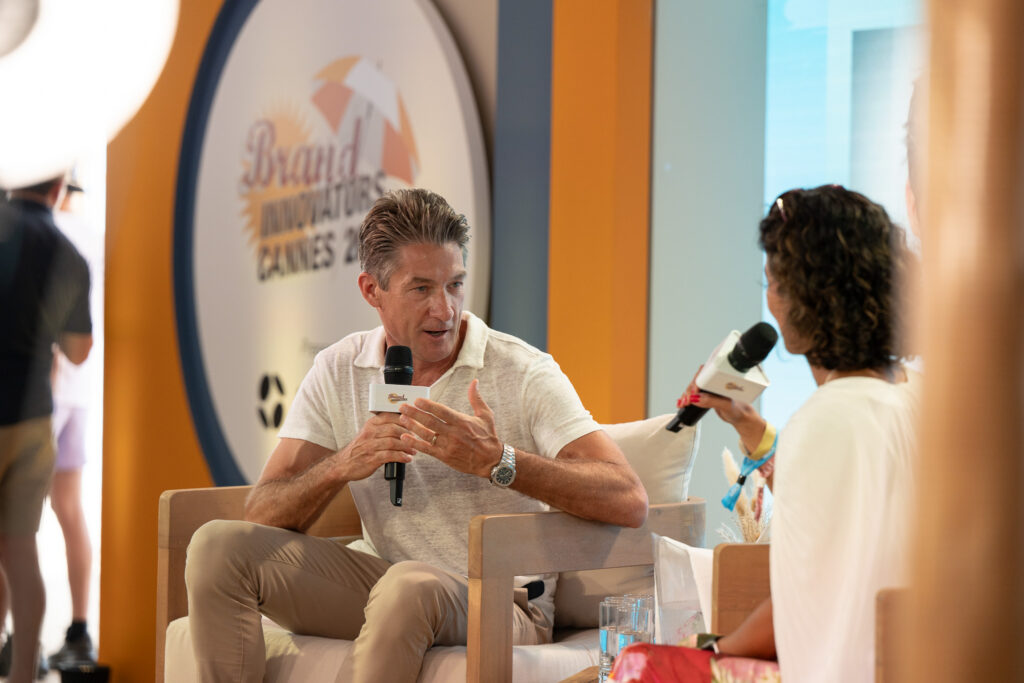
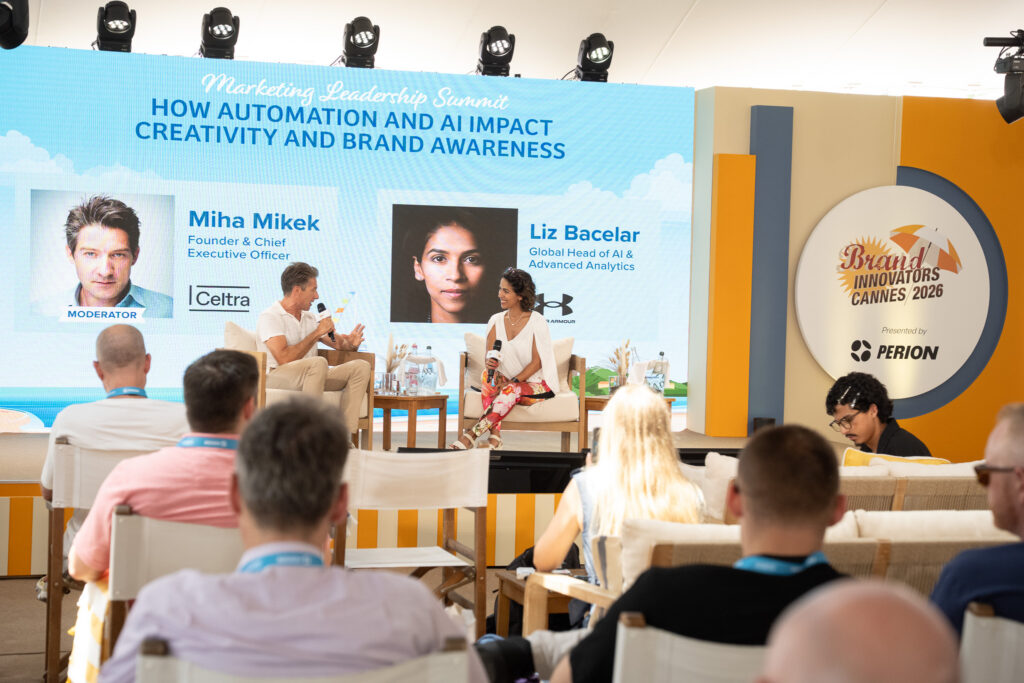
As discussed on the AI Trailblazers panel “Human Taste & Machine Speed Reworked”, AI levels the playing field by making advanced technology much more accessible and democratizes access to creative tools to everyone. On one hand, this means we are faced with a lot of mediocre outcomes, because nowadays everyone thinks they’re a copywriter or a designer. But on the flip side, it also allows people to develop good ideas faster, test and play around with technology to create things that used to be hard to even imagine. Celtra’s CEO Miha Mikek put it plainly: “The real opportunity isn’t just access – it’s what you do with it.” AI should be taking the mundane, repetitive work off creatives’ plates so they can put their energy where it actually counts.
Creatives vs. creators
As audiences seek more connection, brands are also looking for new ways to reach them. Brand and agency creatives that spend most of their time crafting the right message, visual presence and every last detail of their campaigns are now often clashing with the creator industry. The power of fresh perspectives and creative freedom is real, and the reason the creator economy keeps growing. Brands are approaching this in different ways, mostly treating it as a separate channel with its own unique rules and benefits, but nevertheless, an important part of the overall marketing strategy.
The foundation has to hold
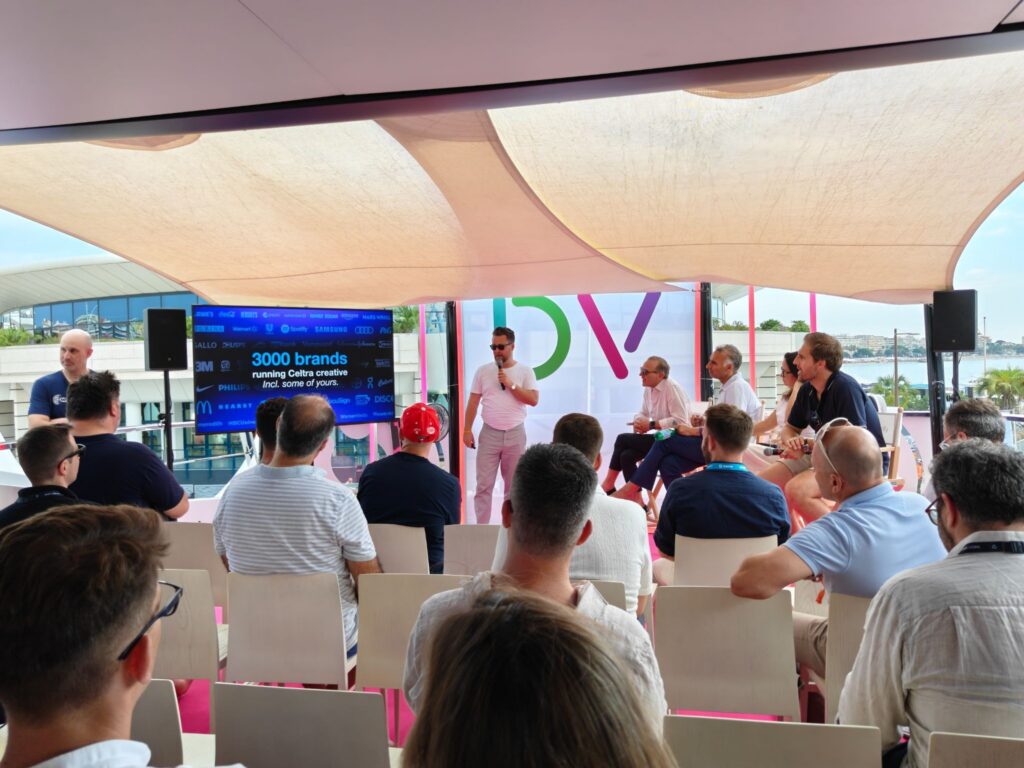
One thread that ran through the week, including a marketing workshop Celtra joined with CartographAI, is that none of this works without the right infrastructure underneath. You can layer creativity and technology on top, but if the foundations aren’t set, you won’t move faster. You’ll just create more chaos. It’s about bringing together the right automation tools and processes so the good ideas actually get made, at scale, without falling apart in production. The infrastructure conversation isn’t the end goal; it’s simply the foundation that paves the way for more playful and creative tasks ahead.
After such a week in Cannes, it was clear to me that brands don’t lack creative people or good ideas. Most are ready to take on this new era of advertising and are excited to adopt new technologies to move faster. The question then becomes very simple – what should we make next?