Enterprise brands face a new reality: more channels, more formats, more personalization, and rising pressure to prove creative performance. Choosing the best digital advertising software is no longer about producing ads faster. It’s about scaling creative that’s brand-safe, media-ready, and performance-driven.
This guide compares leading creative advertising tools used by enterprise marketing, creative, and media teams. We focus on platforms built to handle high creative volume, omnichannel activation, and AI-driven optimization with the goal to help teams narrow down their selection based on governance needs, AI maturity, and media integration.
Celtra: Where creative becomes a performance system
Best for: Enterprises prioritizing creative performance, governance, and omnichannel ad activation.
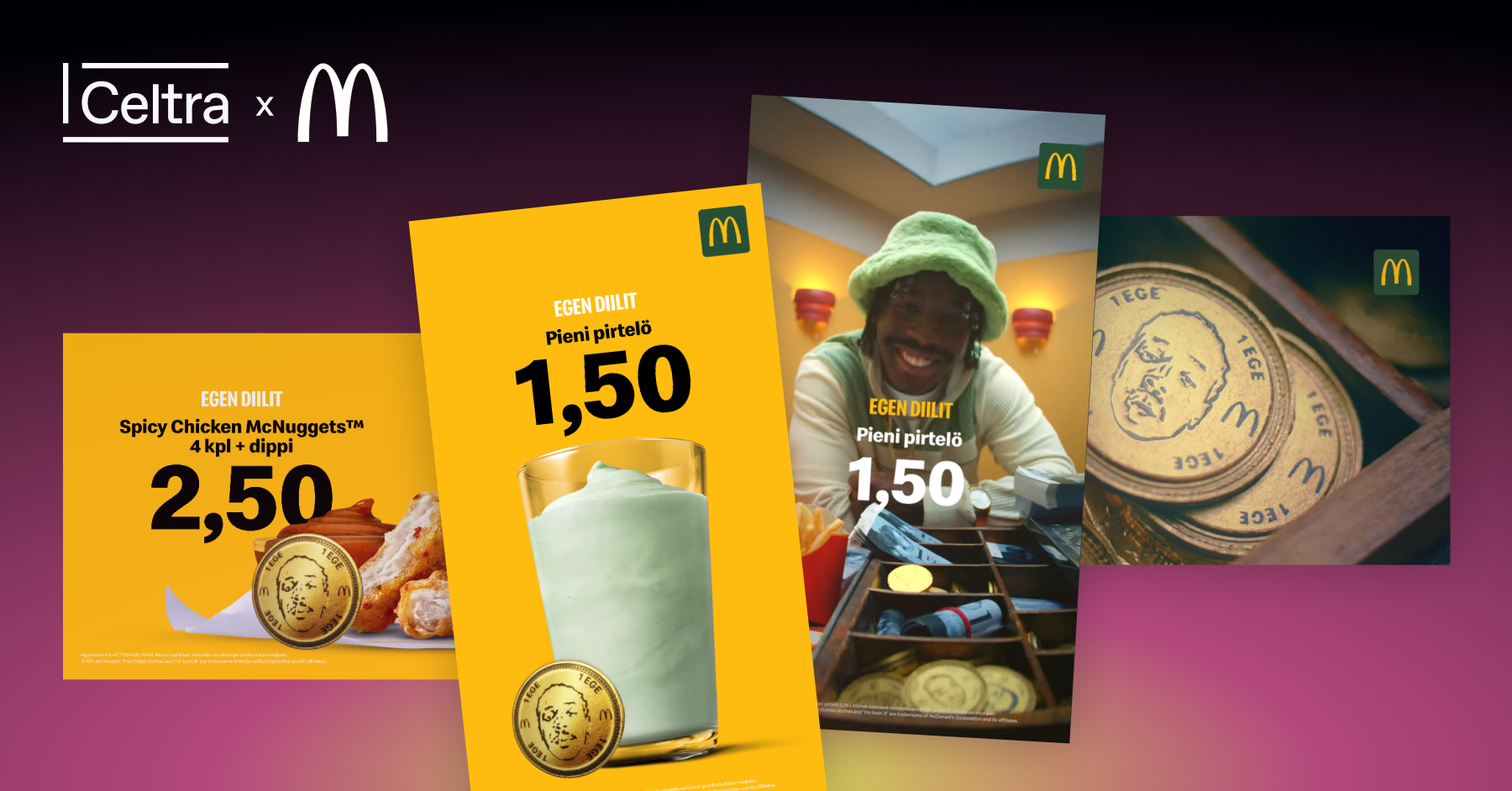
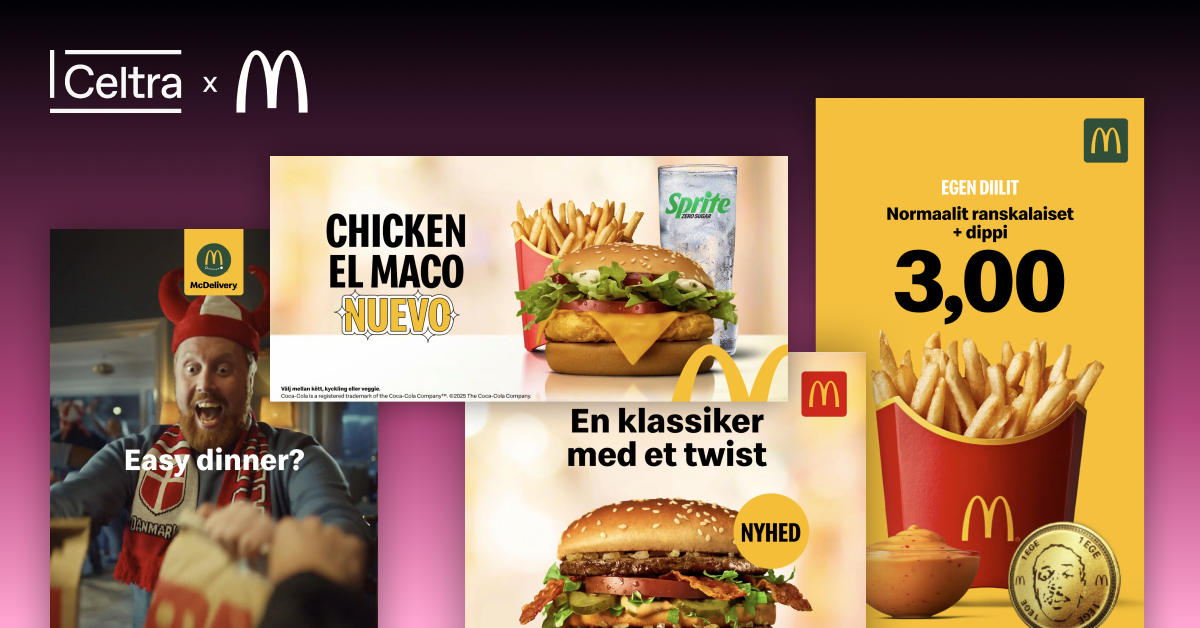
Celtra positions itself as the creative operating system for modern advertising. It combines brand-safe AI creation, predictive performance scoring, and direct media activation across 100+ platforms.
Key features
- Brand-governed GenAI and agentic workflows
- Predictive creative intelligence to inform design decisions before launch
- Dynamic creative optimization (DCO) & personalization logic
- Modular creative concepts for global-to-local execution
- Direct publishing across major social channels and 100+ ad servers
- Granular creative performance analytics with standard and custom metrics
Use case
Used for managing the full creative lifecycle, from creative production to media performance, creating a continuous learning loop. It’s designed for global brands managing multi-market campaigns where creative excellence, structured workflows, and media alignment are critical.
Pricing
Enterprise licensing model (seats, volume-based or media spend).

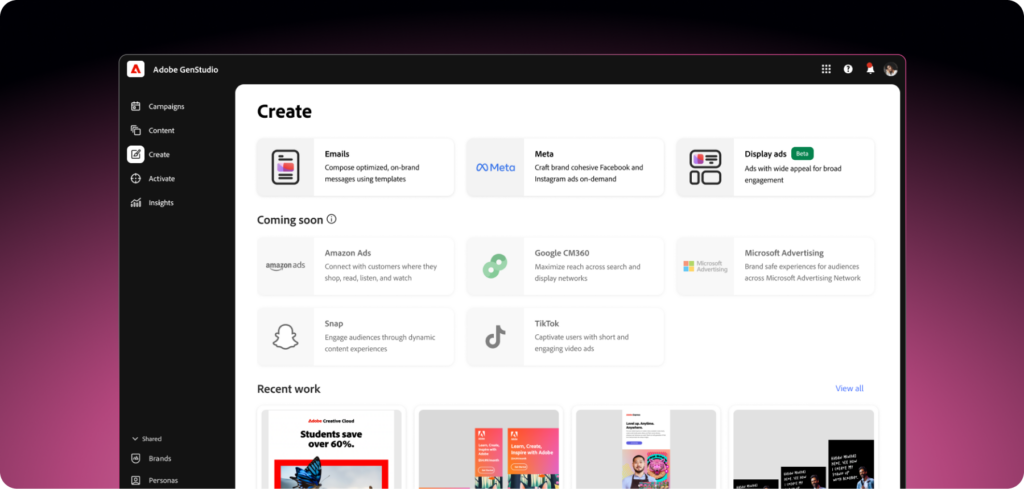
Adobe GenAI Studio: AI asset creation
Best for: Creative teams already using Adobe’s ecosystem.
Adobe is frequently evaluated in enterprise advertising conversations because its AI capabilities increasingly overlap with creative production workflows. As Firefly expands into marketing and content systems, it enables brands to generate and manage creative assets at scale; however, media activation typically requires additional tools.
Key features
- AI-assisted asset generation
- Enterprise DAM integration
- Brand templates
- Marketing workflow integrations
Use case
Used for generating and managing brand-compliant assets within the Adobe ecosystem, with distribution handled through additional marketing or media tools.
Pricing
Enterprise licensing across the Adobe stack.
Bannerflow: Banner ad automation
Best for: Display-heavy teams seeking production efficiency.
Bannerflow positions itself as a Creative Management Platform (CMP) focused on faster banner production.
Key features
- Template-based display production
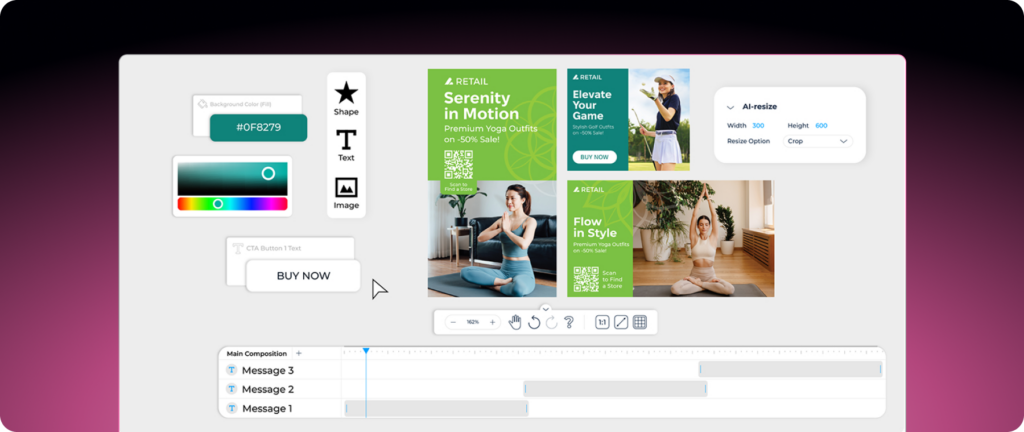
- Resizing & versioning automation
- Multi-channel publishing
- Basic personalization
Use case
Used for scaling banner production across display campaigns, particularly when teams need fast resizing, versioning, and localized variations. However, governance, predictive performance scoring, and deeper media orchestration are limited.
Pricing
Tiered subscription.
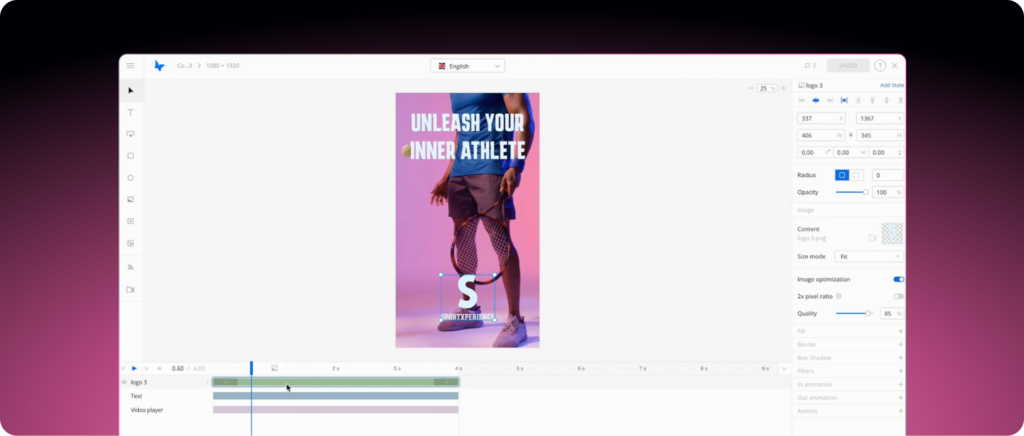
Smartly: Media-first ad execution
Best for: Performance-driven media teams, especially in paid social.
Smartly is designed for performance-driven organizations where creative is closely tied to media buying workflows. The platform focuses heavily on campaign execution and budget automation within paid social environments.
Key features
- AI-powered media optimization
- Creative automation for paid social
- Campaign-level analytics
- Cross-channel support expanding beyond social
Use case
Media teams benefit from budget automation and in-flight optimization tools, while creative capabilities are primarily geared toward supporting paid social execution rather than broader enterprise creative production.
Pricing
Typically, a percentage-of-media-spend model.
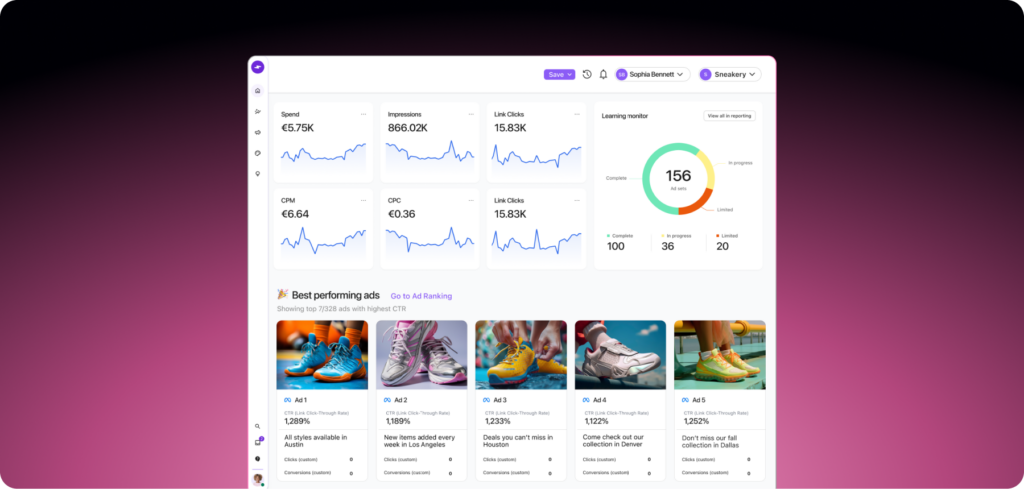
Pencil: AI ad generation
Best for: Performance marketers focused on rapid ad testing.
Pencil is an AI-driven ad generation platform focused on quick creative variation, particularly video for paid social.
Key features
- Fast GenAI video creation
- Rapid variant generation for A/B testing
- Performance insights tied to ads
Use case
While strong in speed, Pencil focuses primarily on ad generation and testing rather than a full enterprise workflow management or omnichannel infrastructure.
Pricing
Tiered plans (including self-serve).
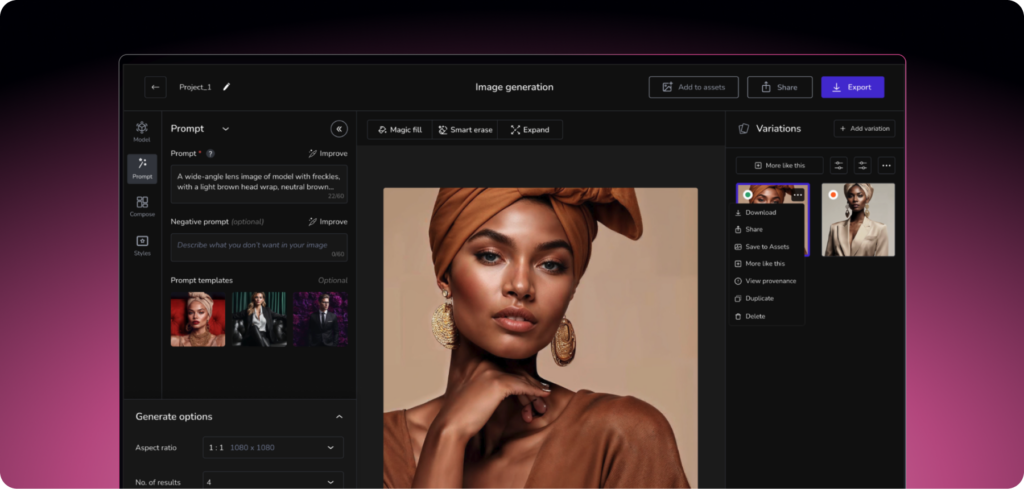
Storyteq: Creative template automation
Best for: Creative automation within marketing organizations.
Storyteq offers creative automation and template-based scaling across digital formats.
Key features
- Template-driven ad production
- Versioning & localization
- DAM integrations
Use case
Used for automating template-based creative production across markets, often within centralized marketing operations, managing structured campaign rollouts. Lacks AI performance scoring or advanced media optimization.
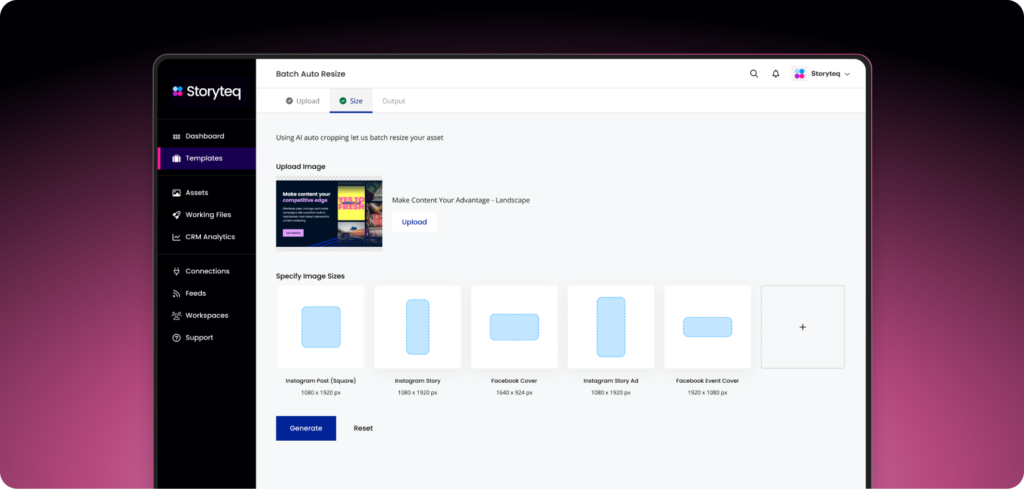
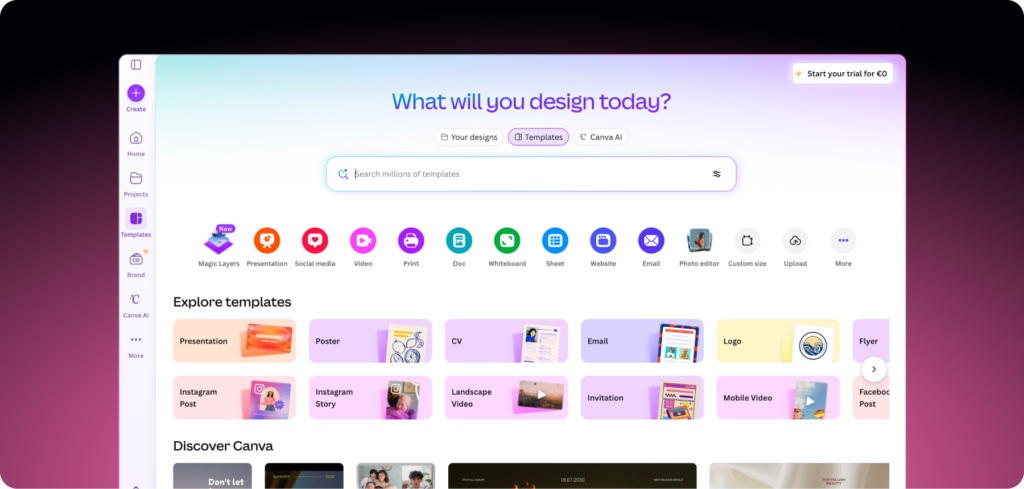
Canva: Lightweight template-based tool
Best for: Marketing teams needing fast, AI-assisted content creation for social and lightweight display campaigns.
While Canva is not a traditional enterprise advertising platform, it is increasingly considered in advertising evaluations because of its rapid adoption across marketing teams and its expanding AI capabilities through Magic Studio. It enables users to quickly create visuals, generate copy, edit images, and resize assets across formats.
Key features
- AI-powered design and copy generation
- Background removal and image editing
- Smart resizing for multiple placements
- Template-based ad creation
Use case
Often used for early-stage creative ideation or lightweight campaign production. However, it is not considered a complete advertising infrastructure platform. It provides AI-assisted design but falls short in native media activation or performance analytics.
Pricing
Tiered subscription model (Free, Pro, Enterprise).
Figma: Collaborative AI design
Best for: Design teams and cross-functional collaborators who need flexible, AI-assisted creative workflows and real-time collaboration.
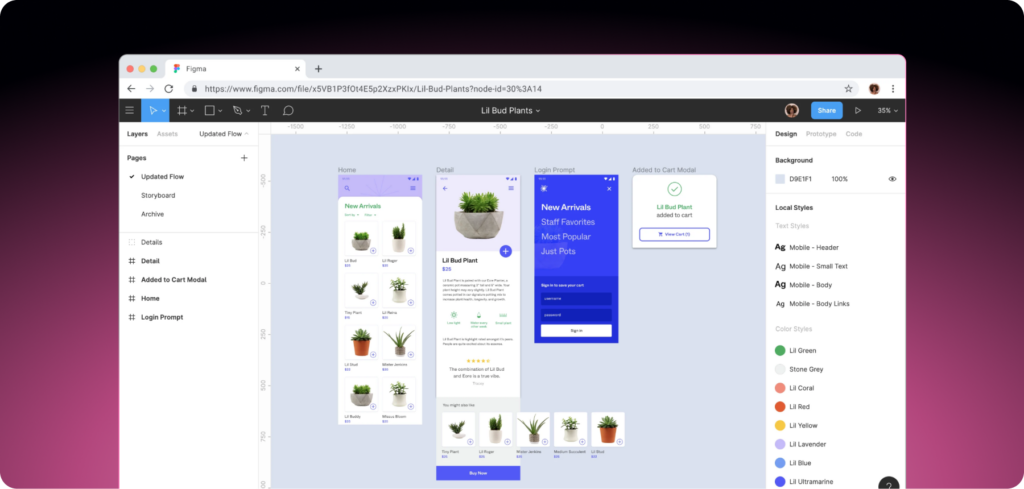
Figma is a browser-based design and prototyping platform widely used by product, UX, and marketing teams. Recently, Figma has integrated generative AI deeply into its workflow, enabling users to generate visual layouts, iterate on designs from natural language prompts, and automate repetitive tasks within the same creative space.
Key features
- AI-assisted design generation (Figma Make)
- Natural language prompts for layout and asset creation
- Real-time collaboration with shared editing
- AI-enhanced auto layout, naming, and iteration tools
- Integration across design, prototyping, and dev handoff workflows
Use case
Enterprise teams typically use Figma for concept development and collaborative design, then export finalized assets into specialized advertising platforms for activation and optimization rather than relying on it as an end-to-end advertising solution.
Pricing
Tiered subscription plans (Free, Professional, Organization/Enterprise).
Clinch: Dynamic ad optimization
Best for: Media-heavy teams focused on dynamic ad serving.
Clinch specializes in DCO and media-centric activation.
Key features
- Dynamic creative optimization
- Programmatic ad serving
- Personalization at scale
Use case
Used for dynamic creative optimization and programmatic activation, particularly in media-heavy environments requiring real-time personalization. Creative governance and production infrastructure may require complementary tools.
Pricing
Enterprise pricing model.
Tool comparison at a glance
| Platform | Primary Focus | Core User | Channel Scope | Key Advantage |
|---|---|---|---|---|
| Celtra | Full operating system for modern advertising | Enterprise creative & media teams | Omnichannel | Governed creative intelligence |
| Smartly | Media campaign execution | Performance marketers | Social-first, expanding | Media optimization AI |
| Bannerflow | Display production | Digital marketers | Display-focused | Fast template scaling |
| Storyteq | Creative automation | Marketing ops teams | Multi-format digital | Structured template workflows |
| Adobe GenAI | AI asset creation | Adobe ecosystem users | Multi-channel (via stack) | Integrated creative + DAM tools |
| Canva | AI content creation | Marketers & small teams | Social + basic display | Speed & ease of use |
| Figma | AI-assisted design | Design teams | Export-based | Real-time collaboration |
| Clinch | Dynamic creative & DCO | Programmatic teams | Programmatic display | Advanced personalization engine |
Which digital advertising platform is right for you?
Now that we’ve explored the leading display advertising platforms used by enterprise teams, the key question becomes: which one is the right fit for your organization?
When evaluating enterprise digital advertising software, consider:
- Do you need structured creative governance across markets?
- Is AI-driven performance prediction important before launch?
- Are you prioritizing media-first execution and in-flight optimization?
- Do you require high-volume social testing and rapid iteration?
For enterprise teams managing global creative operations, the most effective display advertising platforms combine AI intelligence, governance, and seamless activation – not just production speed.
If you’re evaluating platforms for enterprise-scale advertising performance, explore how Celtra connects creative strategy to measurable media outcomes.